
In this article:
A sofa sets the mood for the room. It’s where you unwind at the end of the day, conversations settle and where the atmosphere of your living space begins. It’s also a piece that should feel truly comfortable from day one and continue to support your life for many years. At Cox & Cox we favour thoughtfully made designs that include calm silhouettes, tactile fabrics and solid construction for a comfortable foundation for everyday living.
Knowing where to start or how to choose a sofa can be tricky. We’ve gathered everything you need into one sofa buying guide sofa buying guide, making it easy pick a sofa that suits your home now and continues to feel right as your space evolves.
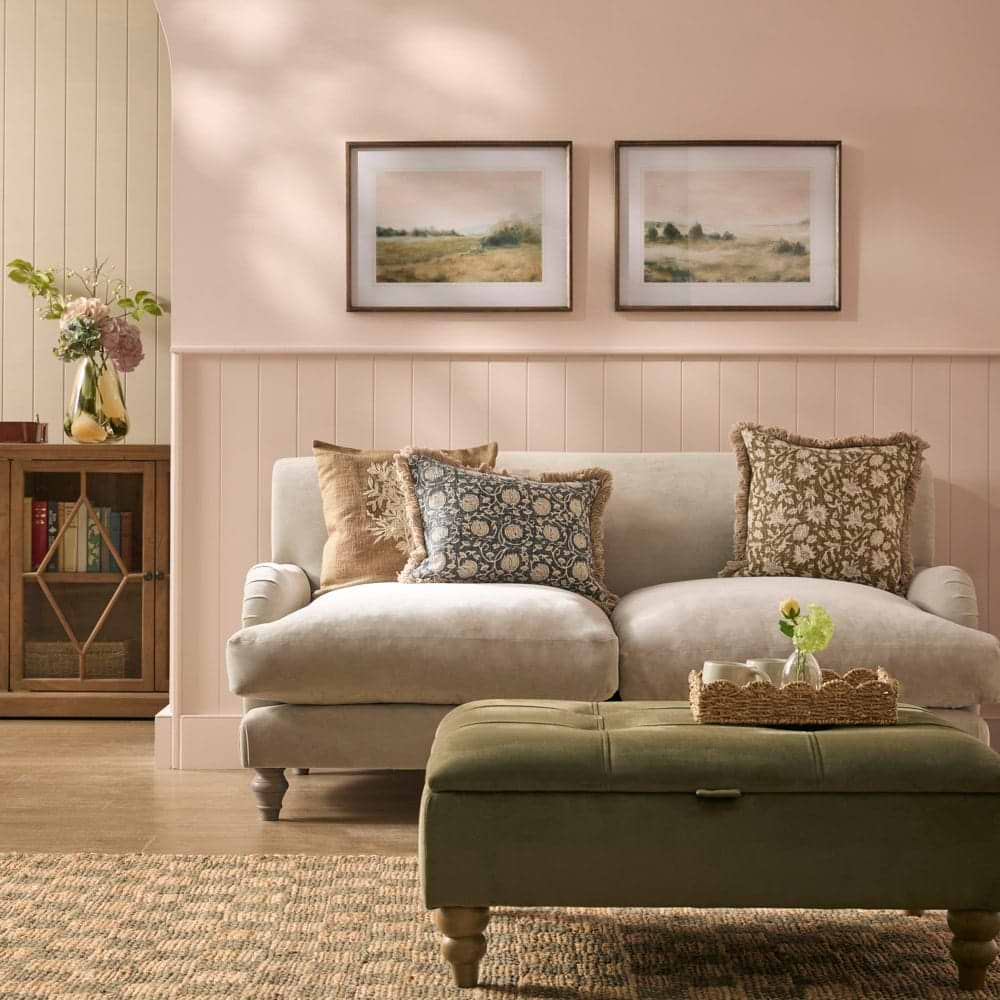
How often should you replace a sofa?
A well-made sofa typically lasts 10-15 years, though this depends on how it’s used within the home. Higher quality frames and durable fabrics often extend this lifespan significantly.
The longevity of your piece depends on the quality of the materials inside. Unfortunately, these are the details you can’t see at first glance but will notice as the years pass. Hardwood frames (such as sustainably sourced birch), carefully jointed construction and robust suspension systems ensure your sofa stays supportive over time. Look for high-resilience cushion foams that maintain shape, and upholstery fabrics chosen for durability as much as charm and appearance; think 100% polyester velvet or a linen-look blend, to keep the surface looking fresh no matter how many gatherings it’s seen.
A lot of time is spent enjoying our sofas, so getting the right level of comfort is vital. Firm, plump sofas are ideal for supporting upright seating, perfect for reading or conversation or formal areas of the house, while soft, pillowy sofas offer more relaxed, sink-in comfort, designed for lounging. But many homes benefit from a blend of both - and that’s what you’ll find in our edit.
The 2/3 rule suggests your sofa should be around two-thirds the length of the wall or the zone behind it to maintain soft, balanced proportions. This gentle ratio helps you to avoid choosing a sofa that feels lost in a large room or overcrowds a smaller space.
How do you know when you need a new sofa?
No matter how well-loved your sofa is, it’ll start to give you a few clear signs when it’s time to think about replacing it. Maybe the frame begins to move or creak, the cushions no longer recover and bounce back after sitting, or the fabric shows wear that cannot be cleaned or restored.
These signs usually appear gradually. You might notice yourself rearranging cushions more often or sinking down further than is comfortable when you sit down. Over time, sagging seats, uneven support or thinning armrests indicate that structure or fillings are nearing the end of their natural lifespan.
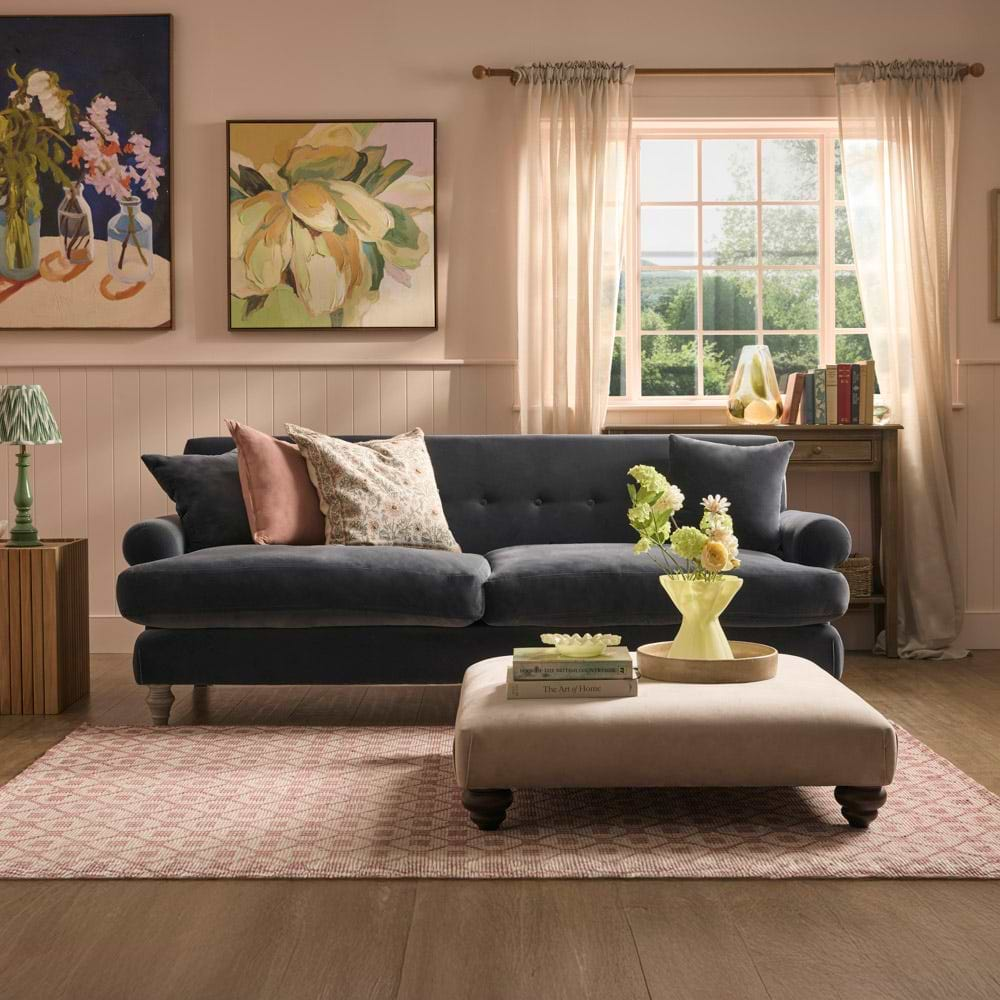
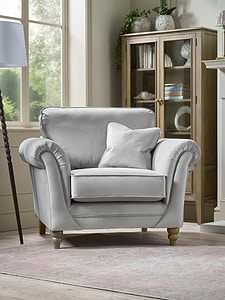
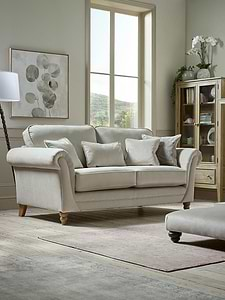
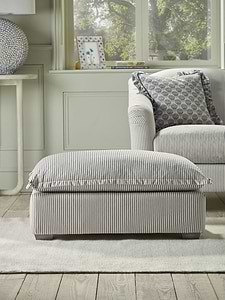
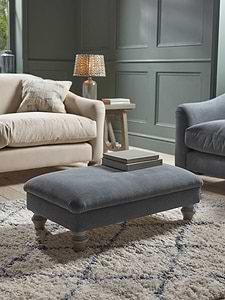
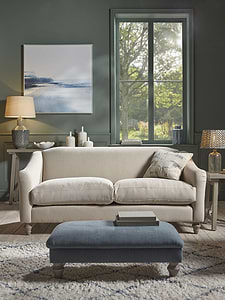
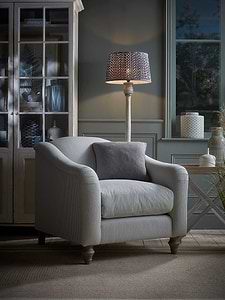
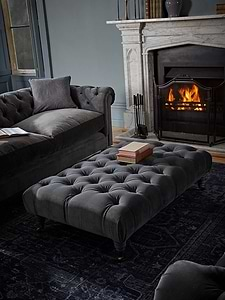
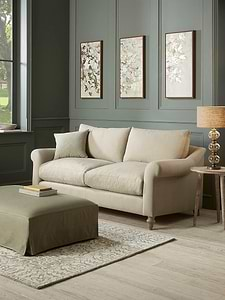
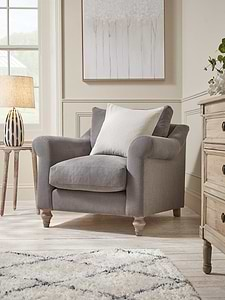
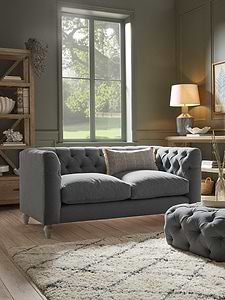
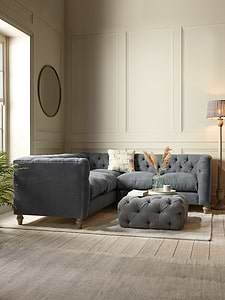
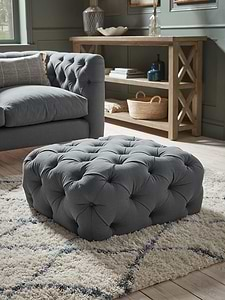
What does made-to-order mean for a sofa?
A sofa that’s made-to-order is built specifically for you by expert craftworkers after you place your order. Once your choice of size, fabric and colourway is confirmed, the piece is crafted from that point. It isn’t warehouse stock. It’s made once and beautifully bespoke for your home.
Our made-to-order collection includes a plethora of timeless designs to suit your interior style, such as the Visby, Stockholm and Kalmar, each available in a selection of fabric and colourway combinations. You won’t have to wait long for your new piece[fd1] either as delivery is typically 8-10 weeks.
Each piece is built with the same principles: a hardwood frame, dowelled, screwed, glued and stapled for long-term strength and endurance. Expect seat springs for even suspension, even on the longest of movie-marathons, and high-density foam cushion cores that hold their shape without going hard over time.
Plus, every made-to-order sofa comes with a 10-year guarantee covering frames and materials.
What sofa fabric is best for everyday living?
The right sofa fabric balances how a piece looks on day one with how it holds up over years of daily use, and the two aren’t always the same thing. At Cox & Cox, made-to-order sofas are available in a selection of fabric types, each with a distinct character.
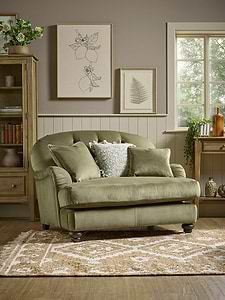
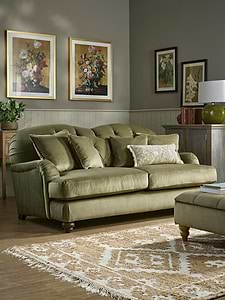
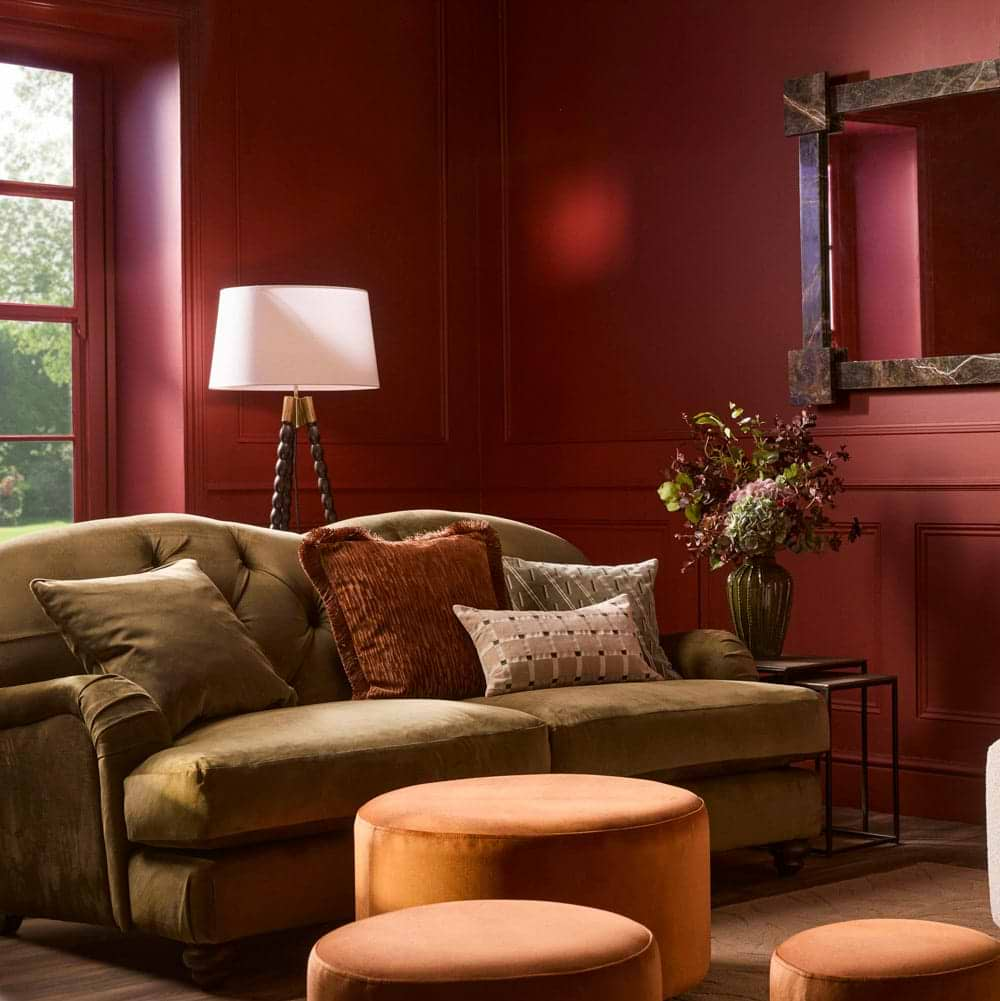
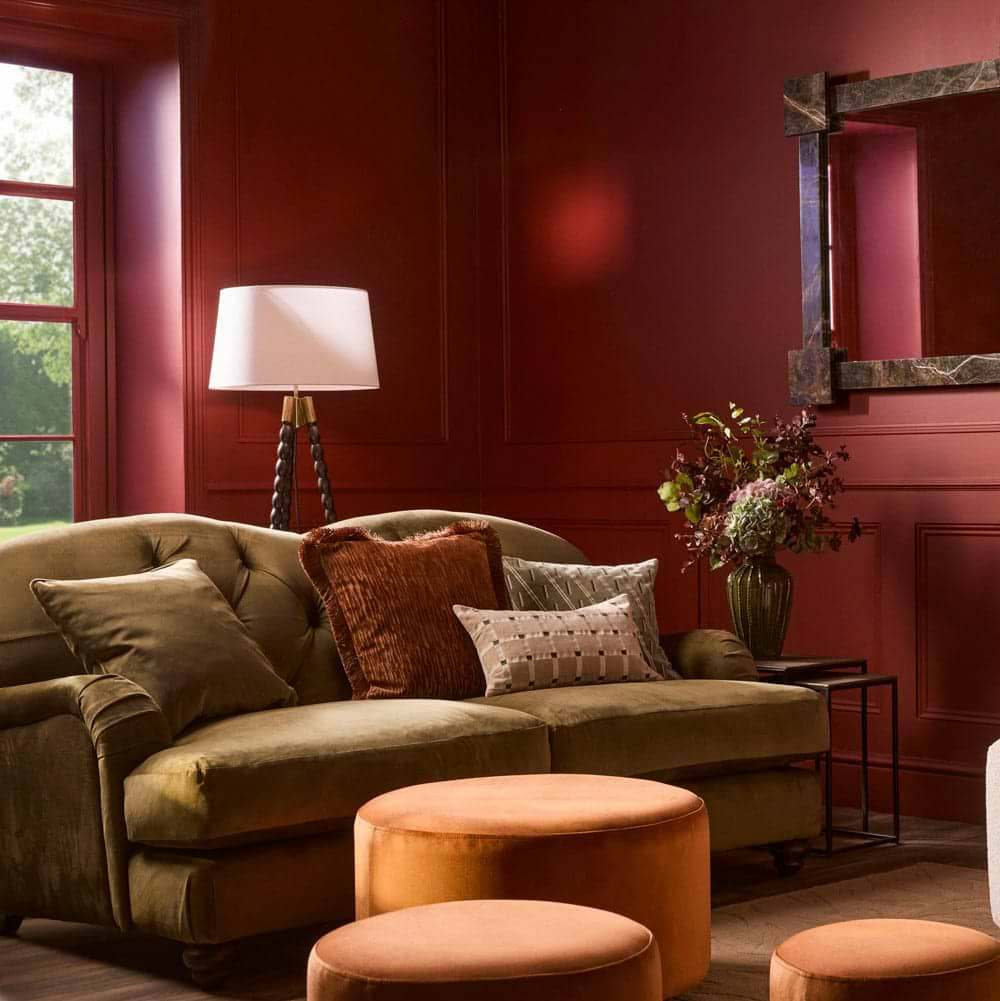
Take velvet, for example. It’s a 100% polyester deep-pile fabric offered in a variety of chic colourways like Pearl, Ash and Moss Green, bringing in rich colour and texture that works beautifully in both calm neutral schemes and more luxurious interiors. It’s also warmer to the touch than woven fabrics and it wipes clean easily, holding its colour well over time.
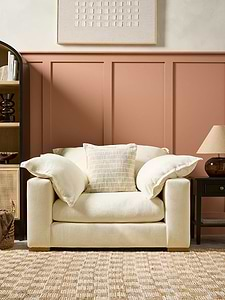
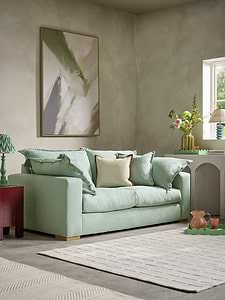
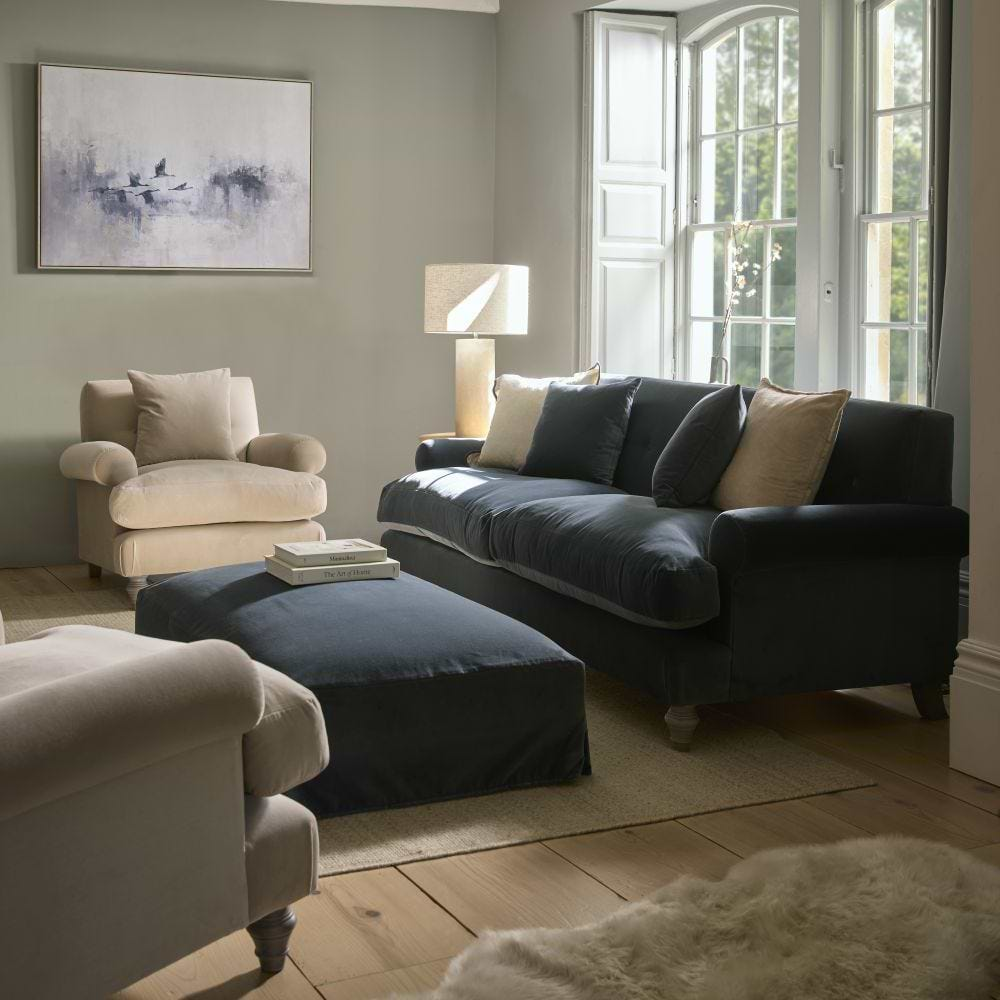
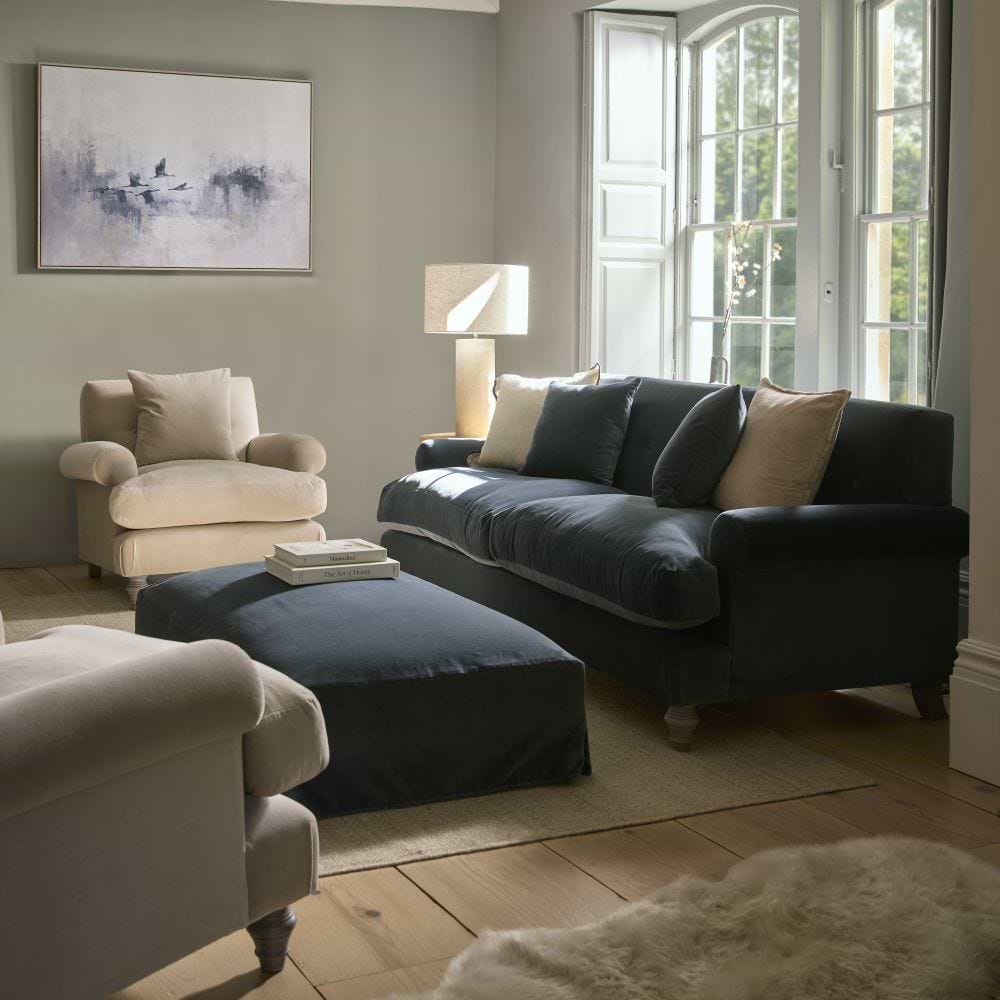
For a more relaxed, textured feel, the Linen-Look fabric, which consists of a blend of 65% viscose, 20% linen and 15% polyester, all with a subtle crosshatch weave, offers the relaxed ease of natural linen but with better everyday durability. It’s available in cool colourways like Eau De Nil, Ivory and Slate Grey, all which settle into almost any room scheme.
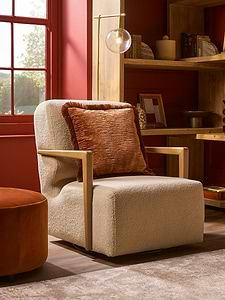
Boucle, offered in tactile Fawn shade, is one of the most visually distinctive fabrics available. Its looped, cosy pile adds warmth and depth to softer, more considered interiors and works well with natural wood floors. It’s made from 100% polyester, making it more robust than it looks.
If you’re uncertain about which fabric to go for, we offer free fabric swatches that you can order before committing.
What is the best sofa for a family?
Choosing the best family sofa combines durable, easy-clean upholstery with a forgiving structure that can handle plenty of daily use without losing its shape or appeal.
Fabric is the first consideration. Family friendly sofa fabrics like polyester-based velvet and linen-look blends are easier to maintain than natural fibres, which are more susceptible to marking and staining, which are inevitable in any busy family home. For households with young children or pets, sleek mid-tone colourways tend to be more practical than pale shades.
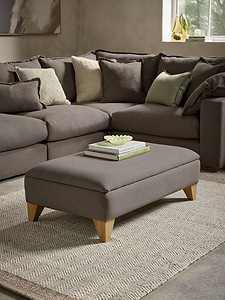
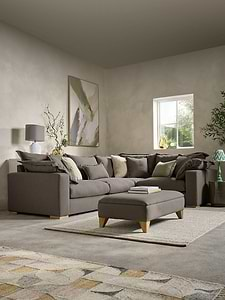
Of course, structure matters too. A firm, high resilience foam seat will recover its shape more reliably after heavy use than a fully feather-filled one. Plus, it won’t require constant cushion plumping. For families where space is an important consideration, a corner model, like the Nordby Corner sofa, makes good use of a room’s footprint, while a modular design has the added option to reconfigure as your home evolves.
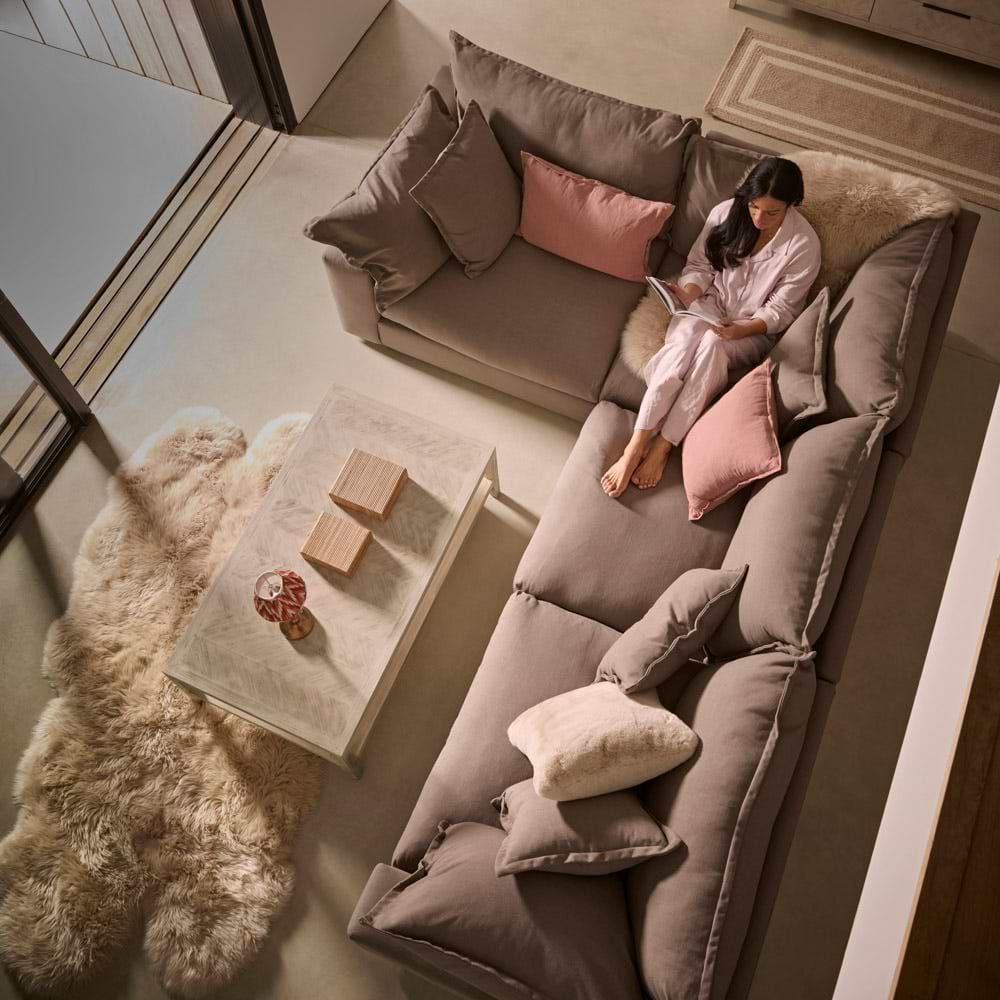
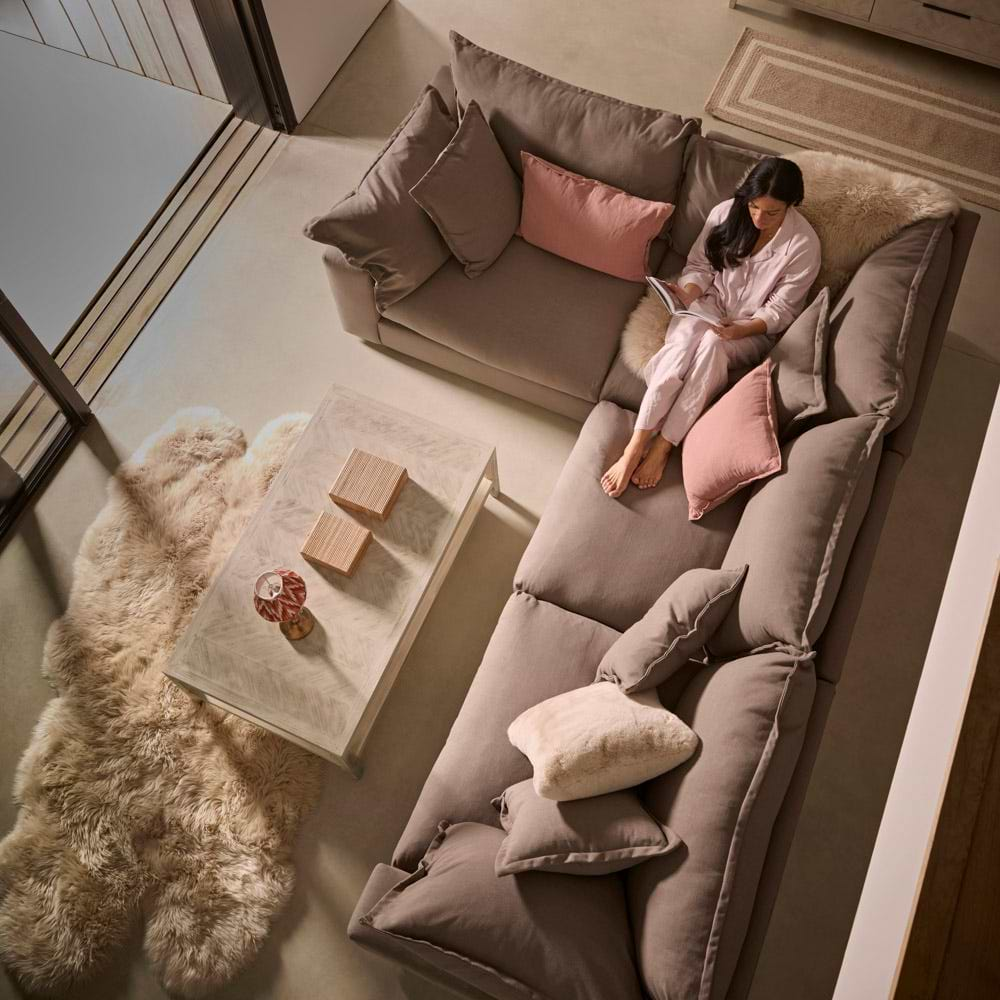
Corner sofas and modular designs
Corner sofas that are made-to-order bring a sense of gentle structure to a room, creating a natural place to gather while keeping the space feeling open and calm. Their shape helps define a layout without overwhelming it, making them especially useful in larger living rooms or open-plan spaces where you want to introduce a subtle sense of zoning.
Modular sofas are made of individual sections that can be arranged and rearranged to suit your space. This makes them a practical choice for open-plan rooms, growing families, or homes that need to evolve over time.
Rather than committing to a fixed configuration, a modular design lets you start with what you need now so you can add to it later.