Chat with us, powered by LiveChat

Outdoor Accessories

Plant Pots & Troughs

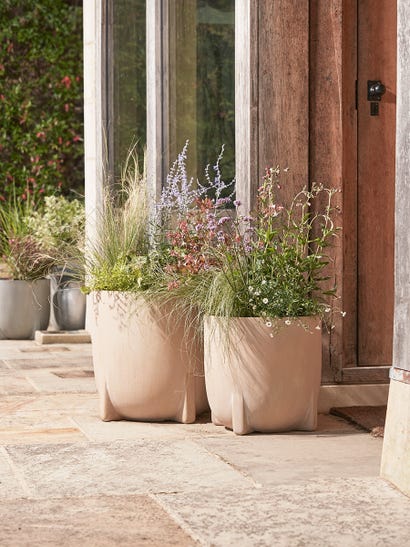
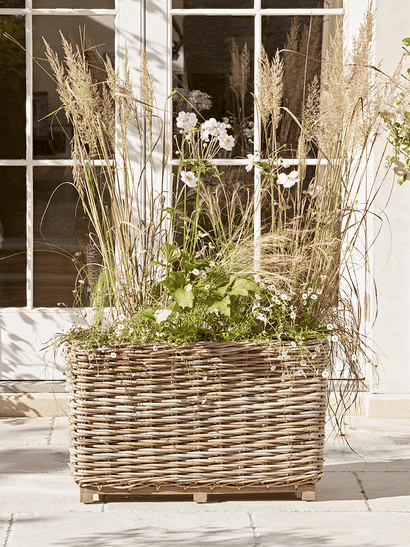
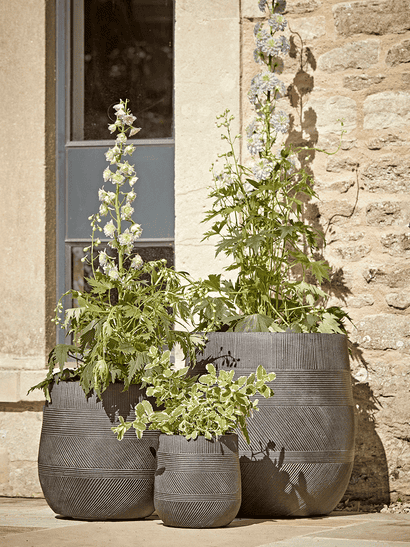
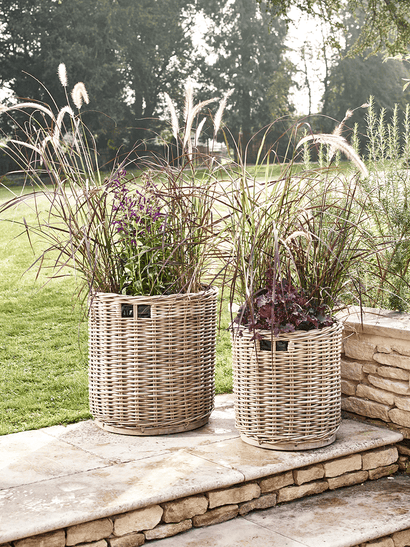
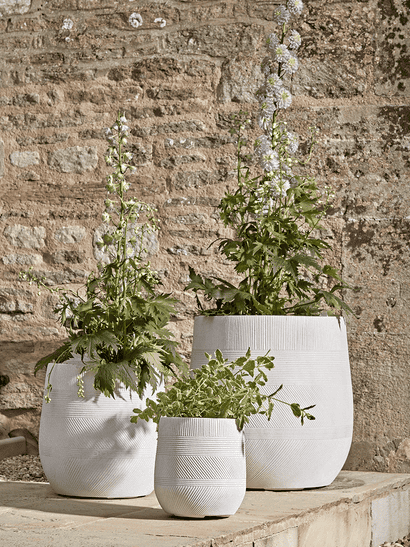
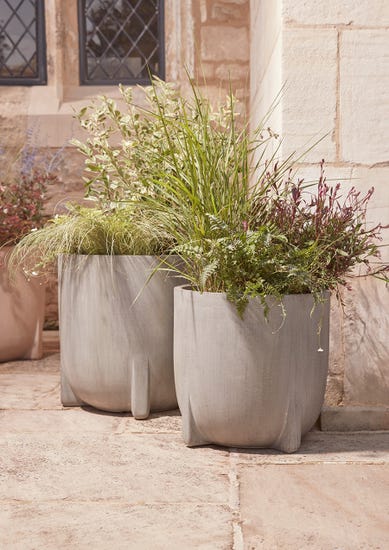
Accentuate your garden or patio with a selection of stylish planters. Designed with an understated elegance, our plant pots will add a luxe finish to your outdoor space. Make a feature of your plants and flowers with industrial metal troughs, zinc and concrete planters, and woven rattan pots.

41-67 of 67 Products

per page
Page
Set Descending Direction
3 5
Price
Price

41-67 of 67 Products

per page
Page
Set Descending Direction
3 5

Garden Pots & Planters FAQs

What size garden pot or outdoor planter do I need for my plant?

Choosing the right garden pots planter size depends on the plant’s mature root system rather than its current size. As a general rule, allow enough room for roots to grow comfortably while avoiding overly large containers that retain excess moisture.

For structured styling and long-term planting, explore our indoor planting range or pair with outdoor plant pots designed for balanced growth and drainage.

Which material is best for outdoor pots and planters—plastic, ceramic, terracotta, wood, or metal?

The best material for plant pots depends on your garden’s exposure and the plants you’re growing. Terracotta offers breathability, ceramic provides weight and stability, while plastic is lightweight and weather-resistant.

For a curated outdoor look, explore durable finishes within our pots and planters large selection or style with garden collections for a cohesive scheme.

How do I choose the right colour and style of garden pots or outdoor planters for my space?

Colour and style should complement your outdoor architecture and planting scheme. Neutral tones such as stone, charcoal, and grey pot for plants finishes create a timeless foundation that works across seasons.

Layer textures and tones by pairing outdoor plant pots with surrounding furniture or soft landscaping to create a cohesive, elevated garden setting.

Do outdoor planters need drainage holes?

Yes, most outdoor plant pots should include drainage holes to prevent waterlogging, which can damage root systems and restrict plant growth.

If your chosen planter does not have drainage, consider adding a gravel layer or using it as a decorative cover pot alongside functional planting containers.

Are garden pots and garden planters different, or can I use them interchangeably?

Garden pots planter and garden planters are often used interchangeably, though pots are typically smaller and more individual, while planters tend to be larger and designed for grouped planting.

Both can be styled together for layered displays using complementary finishes such as rattan pots and planters or ceramic designs.

What are the best pots and planters large for statement planting?

Pots and planters large designs are ideal for creating focal points in outdoor spaces, especially when used for trees, architectural grasses, or structured shrubs.

For a considered look, combine oversized planting with subtle styling from our large garden planter pots range and complementary outdoor décor.

What are the most practical outdoor plant pots for year-round use?

Outdoor plant pots made from durable materials such as frost-resistant ceramic or high-quality resin are best suited for year-round use in variable climates.

Pair practicality with style by selecting finishes that complement your garden scheme, ensuring longevity without compromising design impact.

When should I use large pots for outdoors instead of garden beds?

Large pots for outdoors are ideal when you want flexibility, control over soil conditions, or when planting in patios, courtyards, or paved areas.

They also allow you to reposition planting seasonally, creating adaptable structure within your outdoor space.

Are garden pots with stands a good choice for small spaces?

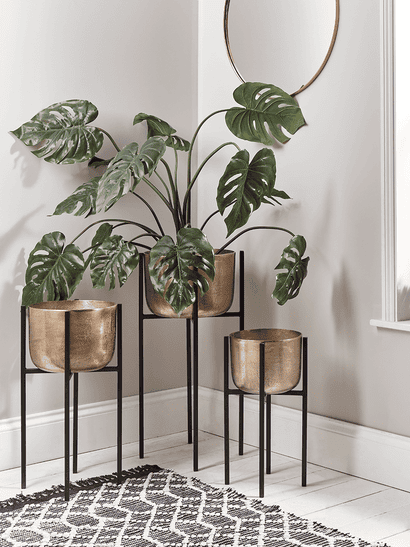
Garden pots with stands are excellent for small spaces as they elevate planting, create visual height, and improve drainage and airflow around roots.

They work particularly well in compact patios or balconies where vertical interest is key.

What is the difference between flower pots and stands and standard planters?

Flower pots and stands combine planting and elevation, offering a decorative and functional solution that enhances display height and visibility.

Standard planters sit directly on the ground and are better suited to larger structural planting schemes.

Are large plastic pot planters suitable for outdoor use?

Large plastic pot planters are lightweight, weather-resistant, and easy to move, making them a practical choice for flexible garden layouts.

They are particularly useful for seasonal planting or rented spaces where permanent fixtures are not possible.

How do I style a giant pot for plants in my garden?

A giant pot for plants works best as a focal point, ideally filled with architectural planting such as olive trees or tall grasses.

Surround with softer planting or neutral landscaping to let the scale and structure stand out naturally.

What defines tall pots and planters in garden design?

Tall pots and planters are designed to add vertical structure, helping to frame entrances, pathways, or seating areas.

They are particularly effective in modern garden layouts where height variation is key to a layered aesthetic.

Are big garden pots ceramic a good investment for outdoor spaces?

Big garden pots ceramic options offer durability, weight, and a premium finish, making them ideal for permanent planting schemes.

Their natural insulation also supports healthy root development across seasons.

How can I use cheap pots for gardening without compromising style?

Cheap pots for gardening can still feel elevated when styled in groups, layered with texture, or unified through a consistent colour palette.

Mix budget-friendly options with statement pieces to create balance and visual interest.

What are the benefits of rattan pots and planters and grey pot for plants in outdoor styling?

Rattan pots and planters bring natural texture and warmth to outdoor spaces, while grey pot for plants finishes offer a modern, understated base that suits most planting styles.

Combining both allows you to balance organic texture with contemporary simplicity for a cohesive garden aesthetic.